Table of Contents
5 cleaning habits that always backfire
Good intentions do not always lead to good cleaning results. In many homes, people try to stay on top of housework by following habits that seem sensible at first, but actually make cleaning less effective, more time-consuming or more frustrating in the long run. The home may look briefly tidier, yet dirt, odours and clutter often return more quickly because the real problem has not been dealt with properly.
This is one of the reasons cleaning can feel endless. It is not always a lack of effort that causes the issue. Sometimes it is the wrong habits. Small mistakes repeated every day or every week can quietly create more work, spread dirt around the home or make rooms feel less fresh than they should.
If you want your home to stay cleaner for longer, these are five cleaning habits that often do more harm than good.
1. Cleaning around clutter – one of the cleaning habits that always backfire
One of the most common habits that backfires is trying to clean surfaces while leaving clutter in place. It is easy to wipe around piles of post, move a few items from one side of a worktop to the other, or vacuum the visible part of a room without properly clearing the floor. It feels quicker in the moment, but it rarely leads to a genuinely clean result.
The problem is that clutter hides dust, crumbs and general grime. It also makes cleaning less thorough and less efficient, because you are working around objects rather than fully cleaning the space. Over time, the same areas become harder to manage, and the room starts to feel messy again very quickly.
A better approach is to deal with visible clutter first, even if only briefly. Putting things back where they belong creates a clearer space and makes actual cleaning far more effective. In most homes, tidying and cleaning work best when they support each other, rather than being treated as separate issues.
2. Using one cloth for too many jobs
At first glance, using the same cloth throughout the home may seem practical. Many people start in one room and continue wiping surfaces elsewhere without changing it. However, this habit can easily spread dirt, grease and bacteria from one area to another, especially when moving between the kitchen, bathroom and general living spaces.

Even when a cloth does not look particularly dirty, it may already be carrying residue that you do not want transferred onto another surface. Wiping a bathroom sink and then using the same cloth on a kitchen counter, for example, is clearly not ideal. But even less obvious cases, such as using one cloth for door handles, dining tables and appliances, can reduce cleaning quality.
It is much better to use separate cloths for different types of jobs, or at the very least change and rinse them properly as you go. Clean tools matter more than many people realise. A dirty or overused cloth can quickly turn cleaning into little more than moving grime from one surface to the next.
3. Spraying cleaner directly onto every surface – among the most common cleaning habits that always backfire
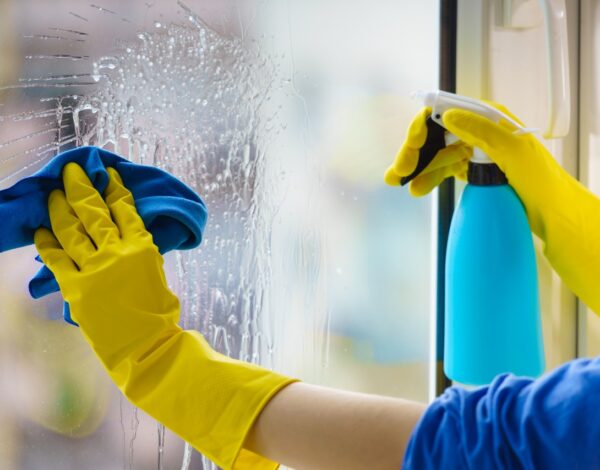
Many people automatically spray cleaning product straight onto glass, furniture, kitchen units or appliances. In some situations this works perfectly well, but as a general habit it can cause problems. Too much product can leave streaks, create sticky residue or build up on surfaces over time, making them look duller rather than cleaner.
This is especially noticeable on mirrors, shiny fittings, wooden furniture and certain kitchen finishes. When too much spray is used, the surface may look polished at first but attract marks and dust again more quickly. In some cases, repeated overuse of cleaning chemicals can even damage delicate materials.
Often, the better option is to spray the cloth lightly instead of the surface, unless the product instructions say otherwise. This gives you more control, reduces waste and usually leaves a cleaner finish. Effective cleaning is not about using as much product as possible. It is about using the right amount in the right way.
4. Leaving spills and small messes for later
Many larger cleaning sessions become stressful because too many small messes have been left to build up. A splash on the hob, crumbs on the floor, toothpaste around the sink or muddy marks in the hallway may seem minor at the time, but when these things are repeatedly ignored, they quickly make the whole home feel harder to manage.
This habit often backfires because dried-on dirt takes longer to clean than fresh mess. What could have been wiped away in a few seconds becomes a more stubborn job later. The same is true of dishes left overnight, bins that are nearly full or damp towels left in a heap. Small delays often create bigger tasks.
Dealing with little messes early is one of the most effective ways to reduce household cleaning pressure. It does not mean constantly cleaning all day. It simply means recognising that a two-minute task now is usually easier than a twenty-minute task later.
5. Saving everything for one big clean – in top 5 cleaning habits that always backfire
Another habit that often backfires is relying on a single major cleaning session to sort the whole house. This usually happens in busy households where people feel they will “do it properly at the weekend”. While that sounds reasonable, the reality is that dirt, clutter and daily wear continue building throughout the week, often leaving one person with an exhausting list of jobs.

The danger of this approach is that cleaning begins to feel heavy and overwhelming. When the task becomes too large, it is easier to postpone it again, which only makes the problem worse. Even after a long cleaning session, the home can return to feeling untidy surprisingly quickly because the daily upkeep was missing.
A more effective method is to combine light regular maintenance with occasional deeper cleaning. Small actions through the week, such as wiping surfaces, keeping bathrooms presentable and staying on top of clutter, prevent the weekend clean from becoming unmanageable. In the long run, consistency nearly always works better than intensity.
Better cleaning starts with better habits
A cleaner home is not always the result of spending more time cleaning. Often, it comes from avoiding the habits that quietly make cleaning less effective. Working around clutter, overusing the same cloth, spraying too much product, leaving mess for later and relying on one big clean can all create more effort than they save.
And if home cleaning is not your cup of tea, you can delegate that task to a professional home cleaner. Feel free to contact us and request a cleaning quote. You can find more info about our cleaning services at Merci Cleaning London or on our official Facebook page.
You may also like: What to clean when you only have 30 minutes?
Did you find this article helpful?
Did you like this article? Please share with your friends and family who might also be interested in hiring a professional cleaner.
We would also love to hear your opinion and thoughts! You can leave your comments in the box below.
A huge thank you from Merci Cleaning London!