Table of Contents
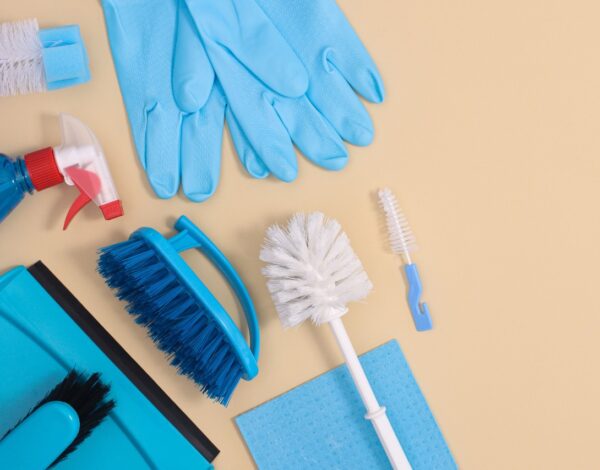
Cleaning tools are essential in keeping homes and workplaces healthy and presentable, but they’re often overlooked until something goes wrong. Whether it’s a mop that leaves streaks, a vacuum that’s lost suction, or a broom that just moves dirt around, knowing when to repair or replace your cleaning tools is key to maintaining hygiene, efficiency, and value in your cleaning routine.
Why Cleaning Tools Need Regular Evaluation
It may seem economical to stretch the life of a brush or cloth, but worn-out tools can cause more harm than good. Not only do they lose effectiveness over time, but they may also become a breeding ground for bacteria, allergens, or even mould. Especially if not cleaned or stored properly.
In some cases, they may even damage surfaces you’re trying to protect. Replacing or repairing your cleaning equipment at the right time is both a health-conscious and cost-effective decision.
How Long Should Cleaning Tools Last?

The lifespan of cleaning tools can vary significantly depending on how often they’re used, how they’re cared for, and the materials they’re made from. For example, microfibre cloths may last between 100 to 300 washes, while sponges typically need replacing every one to two weeks if used daily.
Mop heads may last a couple of months, while durable tools like vacuum cleaners and buckets can often serve you well for several years. However, regular inspection is vital because visible signs of wear and poor performance often appear before a tool technically reaches the end of its expected life.
You may also like: 7 cleaning tools every household must have
When Is It Time to Replace?
One clear indication that a tool needs replacing is visible damage. Frayed cloth edges, bent broom bristles, broken sponge heads, cracked mop bases or handles. All these can interfere with cleaning efficiency and increase the likelihood of recontaminating cleaned surfaces.
Bad odours are another red flag. Sponges, mop heads, and cloths that begin to smell even after washing are likely harbouring bacteria and should be discarded immediately.
Performance is also a major consideration. If your vacuum struggles to pick up debris, your mop is spreading more water than it absorbs, or your brush seems to push dust rather than lift it, the tool is no longer serving its purpose.
It’s also important to assess how clean you can get the tool itself. When a sponge or mop can’t be properly washed, or a brush is impossible to disinfect, it’s time to let it go.
When Can Tools Be Repaired?
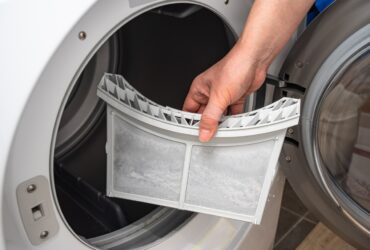
That said, not every tool that shows signs of ageing needs to be thrown out. Many items can be repaired, extending their usability and reducing unnecessary waste. For example, many vacuum cleaners are designed with replaceable belts, filters, and brush rolls.
Mop and broom heads can often be detached and swapped out for new ones without replacing the entire unit. Loose brush heads can sometimes be re-secured with adhesive or replaced entirely if designed with detachable components. Likewise, handles and clips can often be tightened or adjusted rather than replaced.
However, once the cost of repairs starts to approach the price of a new item—or when safety is compromised, such as with frayed electrical cords or cracked plastic—replacement becomes the smarter and safer option.
Extending the Life of Your Cleaning Tools

Proper maintenance can significantly extend the life of your cleaning tools. Always clean them thoroughly after use and allow them to dry fully in a well-ventilated area to prevent the growth of mould and bacteria.
Regular disinfection is important, especially for items like sponges, mop heads, and cloths that frequently come into contact with organic matter. Washing cloths at high temperatures and soaking mop heads in a bleach solution can help preserve hygiene.
To avoid cross-contamination, assign different tools to different areas of the home—particularly bathrooms and kitchens—and store them properly. Brooms and mops should be stored upright or hung when not in use to avoid warping or bristle damage. Taking the time to care for your tools not only saves money but ensures that cleaning is actually effective.
Eco-Friendly Disposal and Repurposing
Disposal should also be considered from an environmental perspective. While some cleaning tools are made of recyclable materials, others are not so easily processed. Where possible, choose items that can be disassembled and sorted by material.
A broken plastic bucket, for instance, may be recyclable through local plastic recycling schemes, while a worn-out microfibre cloth could be repurposed into a garage rag or used for messier DIY tasks.
Larger tools like vacuum cleaners should be disposed of via WEEE recycling programmes available through most local councils. It’s also worth exploring refillable and replaceable systems when shopping for future cleaning gear to reduce overall waste.
Final Thoughts
Your cleaning tools work hard, but they don’t last forever. Knowing when to repair or replace ensures your home or workplace remains truly clean. Free from hidden dirt, allergens, or bacteria. Smart maintenance not only protects your environment but also your wallet and the planet.
And if cleaning is not your cup of tea we are here for you. Contact us today for a free quote or expert consultation. You can find more info about our service at Merci Cleaning London or on our official Facebook page.
You may also like: 5 reasons for hiring a professional house cleaner
Did you find the article helpful?
If you liked this article, please share with your friends and family who might also be interested in hiring a professional cleaner.
We would also love to hear your opinion and thoughts! You can leave your comments in the box below.
A huge thank you from Merci Cleaning London!