Table of Contents
Delicate surfaces can add character, warmth and value to a home, but they often require more careful cleaning than ordinary household materials. Natural stone, polished wood, glass, stainless steel, painted finishes and soft furnishings can all be damaged by the wrong product, too much moisture or an overly aggressive technique. The safest approach to clean delicate surfaces without damage is to understand the material, use the mildest suitable method and test products before applying them widely. With the right care, delicate surfaces can remain clean, attractive and in good condition for much longer.
To clean delicate surfaces without damage, identify the material first
Before cleaning any delicate surface, make sure you know what it is made from. Materials that look similar may require completely different care. A worktop that appears to be marble may be quartz, laminate or another composite material, while a wooden table may have an oil, wax, lacquer or painted finish.
If you are unsure, check the manufacturer’s instructions or any care information supplied with the item. This is especially important for expensive furniture, natural stone and specialist flooring. Using a general-purpose cleaner without knowing the material can lead to staining, fading or permanent surface damage.
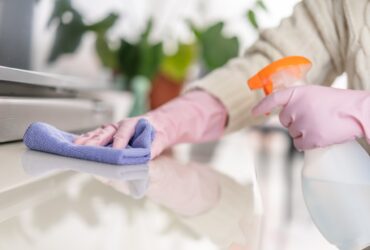
When instructions are unavailable, begin with a soft, dry microfibre cloth and use as little moisture as possible. This is usually safer than reaching immediately for a strong cleaning product.
Test products in a hidden area
Even when a product claims to be suitable for a particular material, it is wise to test it first. Choose a small, inconspicuous area and apply a limited amount of cleaner. Allow it to dry fully before checking for changes in colour, shine or texture.
This simple step is particularly important when cleaning painted furniture, natural fabrics, stone, leather and older surfaces. Age, previous treatments and exposure to sunlight can all affect how a material responds.
Testing may feel like an unnecessary delay, but it can prevent damage that would be difficult or expensive to repair.
To clean delicate surfaces without damage, use gentle tools
The cleaning tool can be just as important as the product. Rough sponges, stiff brushes and abrasive pads may remove dirt quickly, but they can also scratch or wear down delicate finishes.
Soft microfibre cloths are suitable for many household surfaces because they lift dust and grime without requiring heavy pressure. A soft-bristled brush can help with textured materials or narrow details, while a lint-free cloth is usually best for glass and polished finishes.
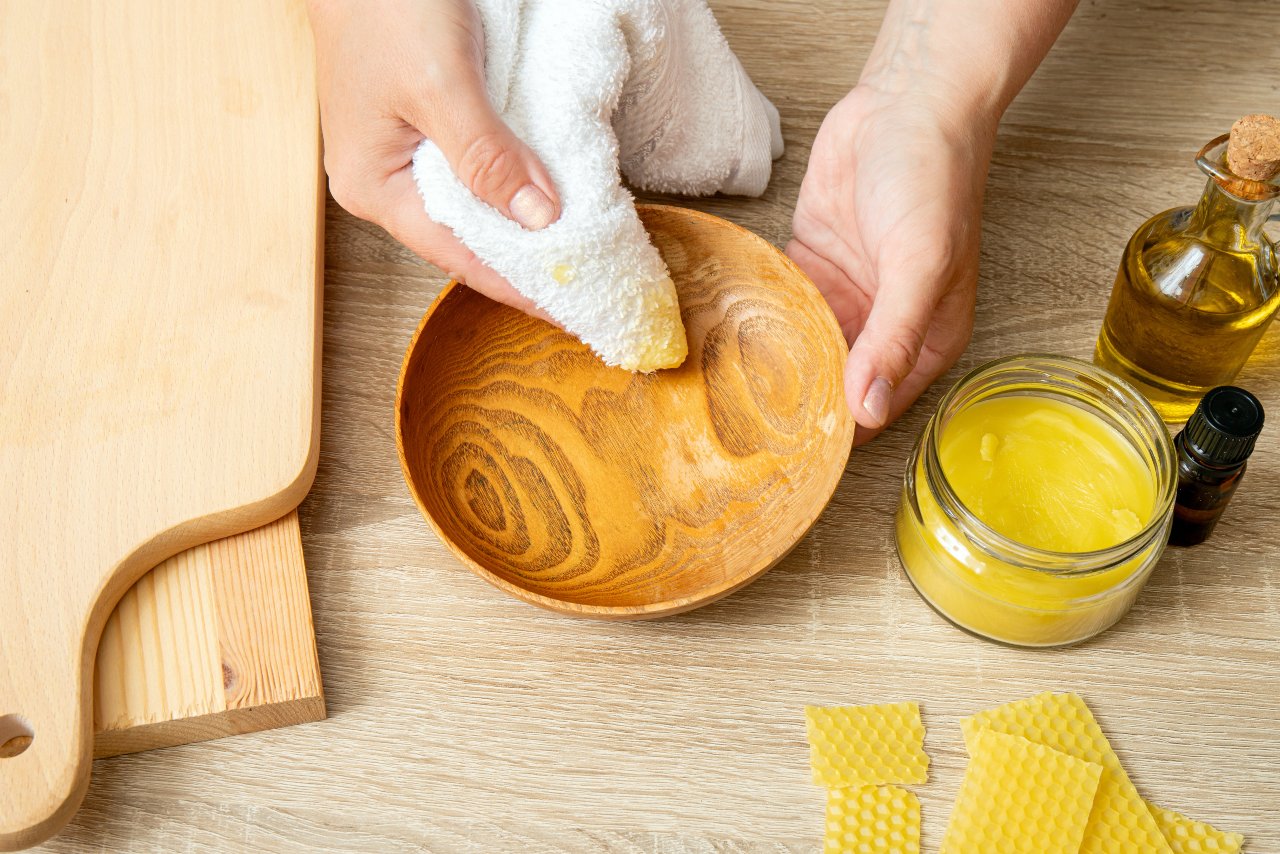
Avoid scrubbing unless the material is known to tolerate it. Repeated rubbing in one place can damage paint, remove protective coatings or leave a visible dull patch. Gentle, controlled movements are generally more effective and safer.
Take care with natural stone
Marble, limestone and other natural stones are particularly sensitive to acidic substances. Common household products such as vinegar, lemon juice and some bathroom cleaners can react with the stone and leave dull, pale or rough marks.
For routine cleaning, use a pH-neutral product designed for natural stone, or a lightly dampened soft cloth if the surface is only dusty. Wipe spills quickly, especially coffee, wine, fruit juice and cooking oils, as porous stone can absorb stains.
Do not allow water to sit on the surface for long periods. Drying the area after cleaning helps prevent marks and protects the finish.
To clean delicate surfaces without damage, protect polished and painted wood
Wood can be affected by excess moisture, heat and harsh chemicals. Water left on a wooden surface may cause swelling, staining or changes in the finish, particularly if the material is unsealed or already worn.
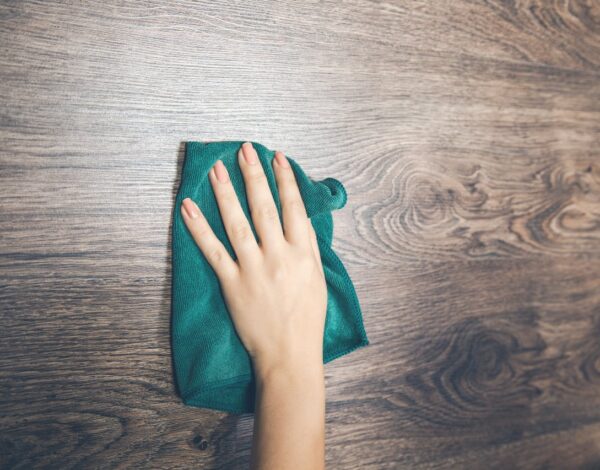
Dust regularly with a soft cloth, following the direction of the grain. For more thorough cleaning, use a slightly damp cloth rather than soaking the surface. Dry it straight away with a clean towel.
Avoid using furniture polish too frequently, as repeated applications can create a sticky layer that attracts dust. Always choose products that match the type of finish and never use steam cleaners on wooden furniture or flooring unless the manufacturer specifically approves them.
Clean glass without scratching it
Glass is generally easy to clean, but decorative, coated or antique glass may need extra care. Dust or grit on the surface can cause scratches if it is rubbed before being removed.
Start by lifting loose dust with a soft cloth. Apply glass cleaner to the cloth rather than spraying it directly onto frames, seals or surrounding materials. This gives you more control and reduces the risk of liquid entering joints or damaging nearby finishes.
For mirrors, avoid allowing excessive cleaner to run around the edges. Moisture can sometimes get behind the reflective backing and cause dark marks or deterioration.
Avoid damaging stainless steel
Stainless steel can show fingerprints, water marks and streaks easily, but harsh scrubbing may leave scratches. Always wipe in the direction of the visible grain rather than using circular movements.
A soft cloth and a small amount of mild washing-up liquid diluted in warm water are often enough for everyday cleaning. Remove any soap residue and dry the surface afterwards to prevent marks.
Avoid steel wool, scouring powders and chlorine-based products unless the manufacturer confirms they are safe. These can damage the finish and may cause discolouration or corrosion.
To clean delicate surfaces without damage, treat fabrics and upholstery carefully
Delicate fabrics can shrink, fade or develop water marks if cleaned incorrectly. Before treating upholstery, curtains or rugs, check the care label and look for the manufacturer’s cleaning code.

Do not soak a stain. Blot it gently with a clean cloth, working from the outside towards the centre to avoid spreading it. Rubbing can push the stain deeper into the fibres or damage the fabric’s texture.
For valuable, antique or heavily stained items, professional cleaning is often the safest option. Attempting to remove a stubborn stain with several different products may make the problem worse.
Use less product, not more
Using extra cleaner does not usually produce a better result. Too much product can leave sticky residue, attract dust and make surfaces look smeared or dull.
Follow the recommended quantity and remove residue properly after cleaning. In many cases, a lightly damp cloth and a small amount of suitable product will work better than soaking the area.
It is also important not to mix cleaning chemicals. Combining products can damage surfaces and may release harmful fumes.
A careful approach gives better results
Cleaning delicate surfaces successfully is less about strength and more about control. Identifying the material, testing products, using soft tools and avoiding excessive moisture can prevent many common problems.
When a surface is valuable, unusual or already damaged, professional advice may be the safest choice. Merci Cleaning London can help with regular domestic cleaning, one-off cleaning and careful maintenance of different areas throughout the home. Feel free to contact us and request a cleaning quote, or find more information about our services through Merci Cleaning London and our official Facebook page.
With gentle methods and the right products, delicate surfaces can stay clean without losing the finish, texture or appearance that makes them special.
In the meantime, if home cleaning is not your cup of tea, why not hire a professional home cleaner? Feel free to contact us and request a cleaning quote. You can find more info about our cleaning services at Merci Cleaning London or on our official Facebook page.
You may also like: Top 5 signs it’s time to hire a professional cleaner
Did you find this article helpful?
Did you like this article? Please share with your friends and family who might also be interested in hiring a professional cleaner.
We would also love to hear your opinion and thoughts! You can leave your comments in the box below.
A huge thank you from Merci Cleaning London!